Social Impact Projects
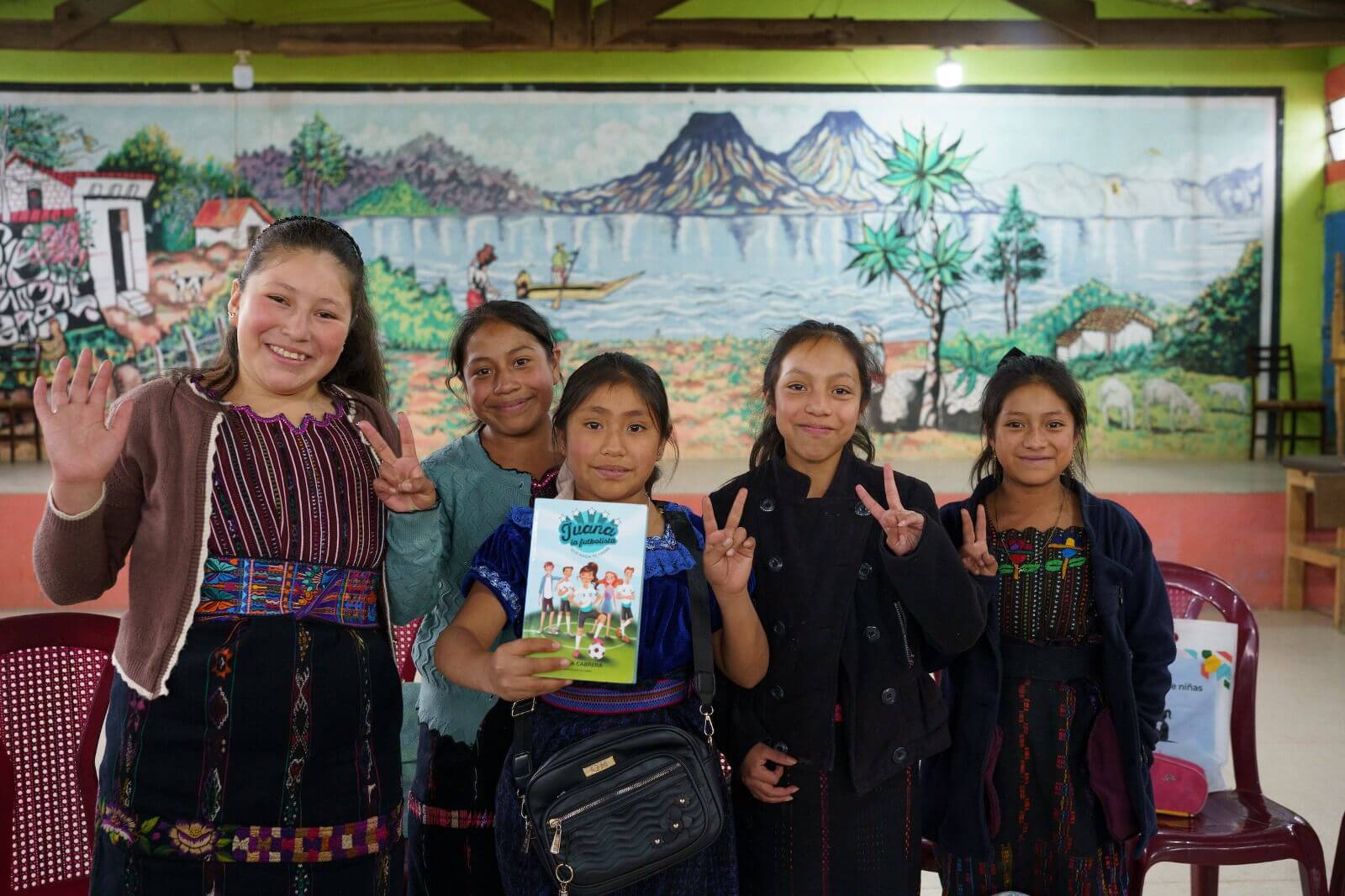
Evelina Cabrera y Child Aid – AGOSTO 2026
The NGO Child Aid incorporated the book Juana la futbolista by author Evelina into its “Girls’ Program” , a project launched in 2023 to combat school dropout and illiteracy in rural areas of Guatemala, where indigenous women average just 3.4 years of schooling. After seeing the positive impact of her work on social media, Evelina traveled to the country to meet the girls and participate in the club’s activities.
Key elements of the “Girls’ Program”:
- Safe and educational space: Weekly book clubs for girls aged 10 to 16 to discuss books written by women.
- Comprehensive development: Fosters literacy, critical thinking, leadership, teamwork, and socio-emotional support.
- Role models: Connects young girls with mentors and authors to expand their future aspirations.
- Family and social bond: Actively involves parents to eliminate practical barriers that prevent girls from continuing their education.
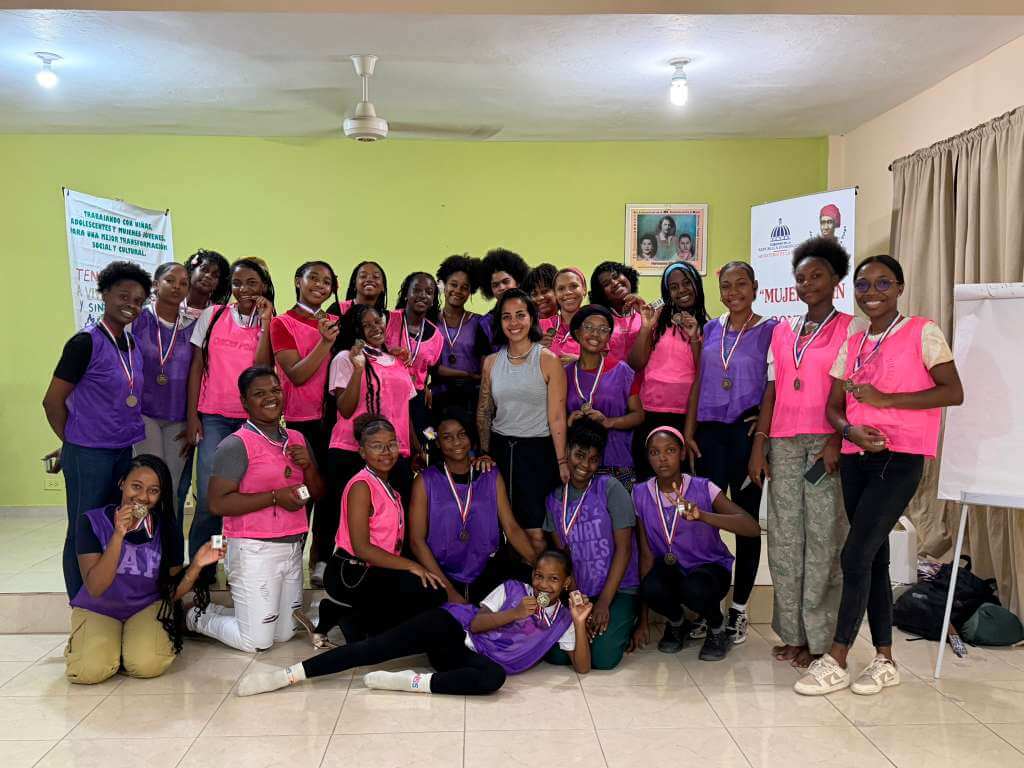
Girls in Motion and Well-Being – República Dominicana / JULIO 2026
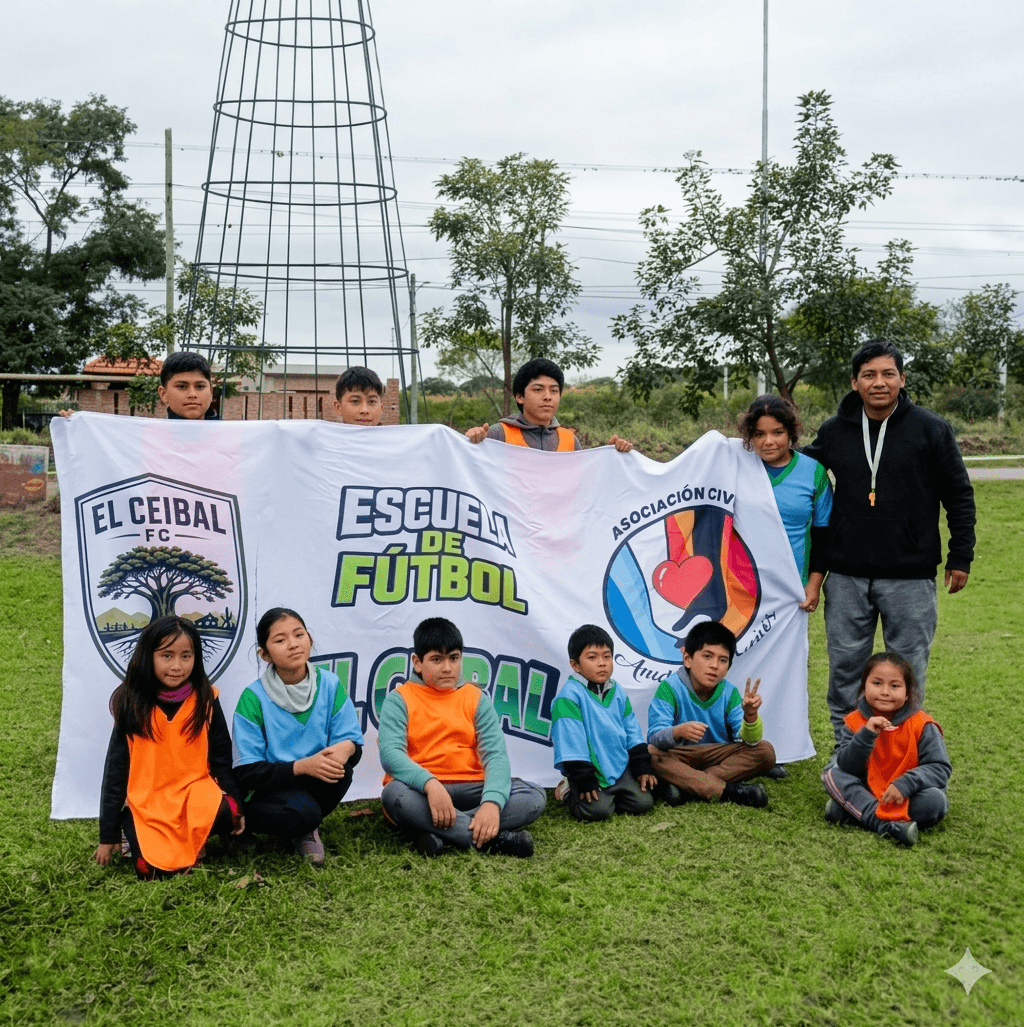
Children's Soccer School – El Ceibal, Jujuy
This is a social initiative we are implementing in El Ceibal, a rural community in the municipality of San Antonio, southern Jujuy. The main goal is to provide support and a safe space for boys, girls, and youth in the area who previously lacked access to sports. I lead this project because I firmly believe in sports as a key tool for development, health, and social inclusion.
EVCA CLUB “ Deporte, comunidad y propósito”
EVCA Club is a sports and social space where athletics are used as a tool to grow, connect, and generate opportunities. We work with girls, women, and communities, offering training, activities, and experiences that strengthen both the body and self-confidence. We believe in sports as a way to drive personal development, equality, and teamwork.
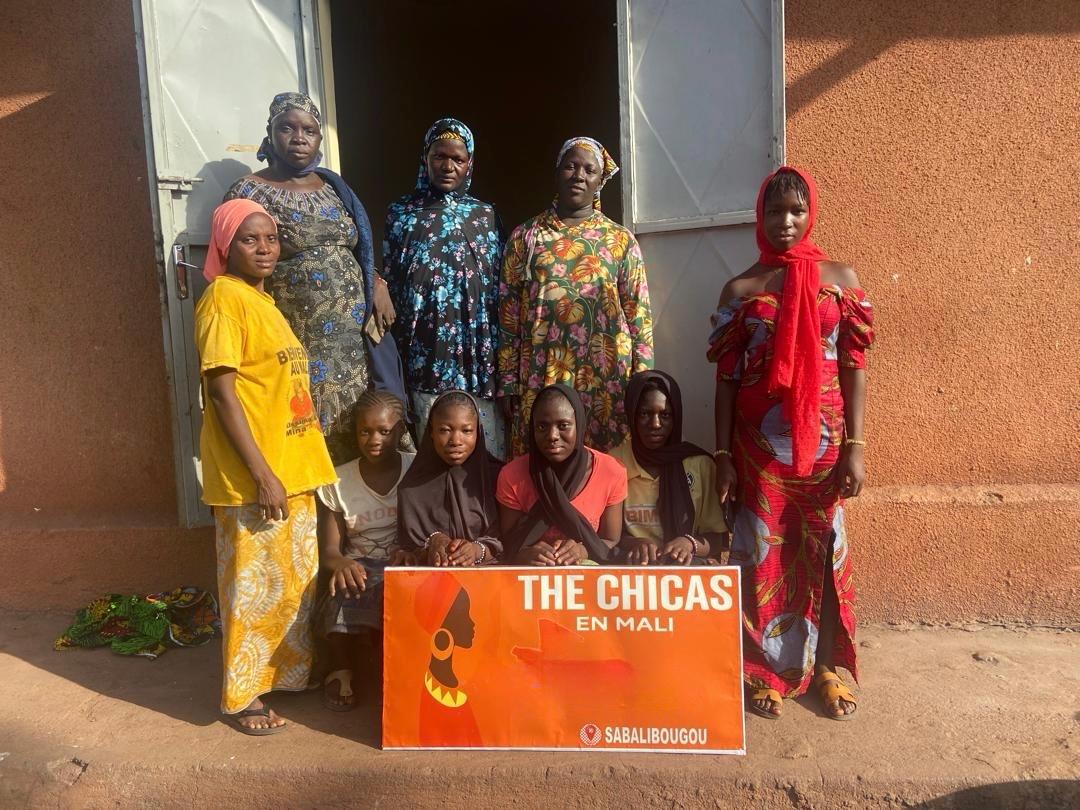
THE CHICAS EN MALÍ
The “Chicas en Malí” is a social project developed in Bamako, Mali, that aims to create opportunities for women through education and community building.
Carried out between July 2025 and 2026, the project began as a sewing apprenticeship space, where participants gain practical tools to foster their economic independence. More than just a workshop, it is a safe haven where women can gather, learn, grow, and support one another.
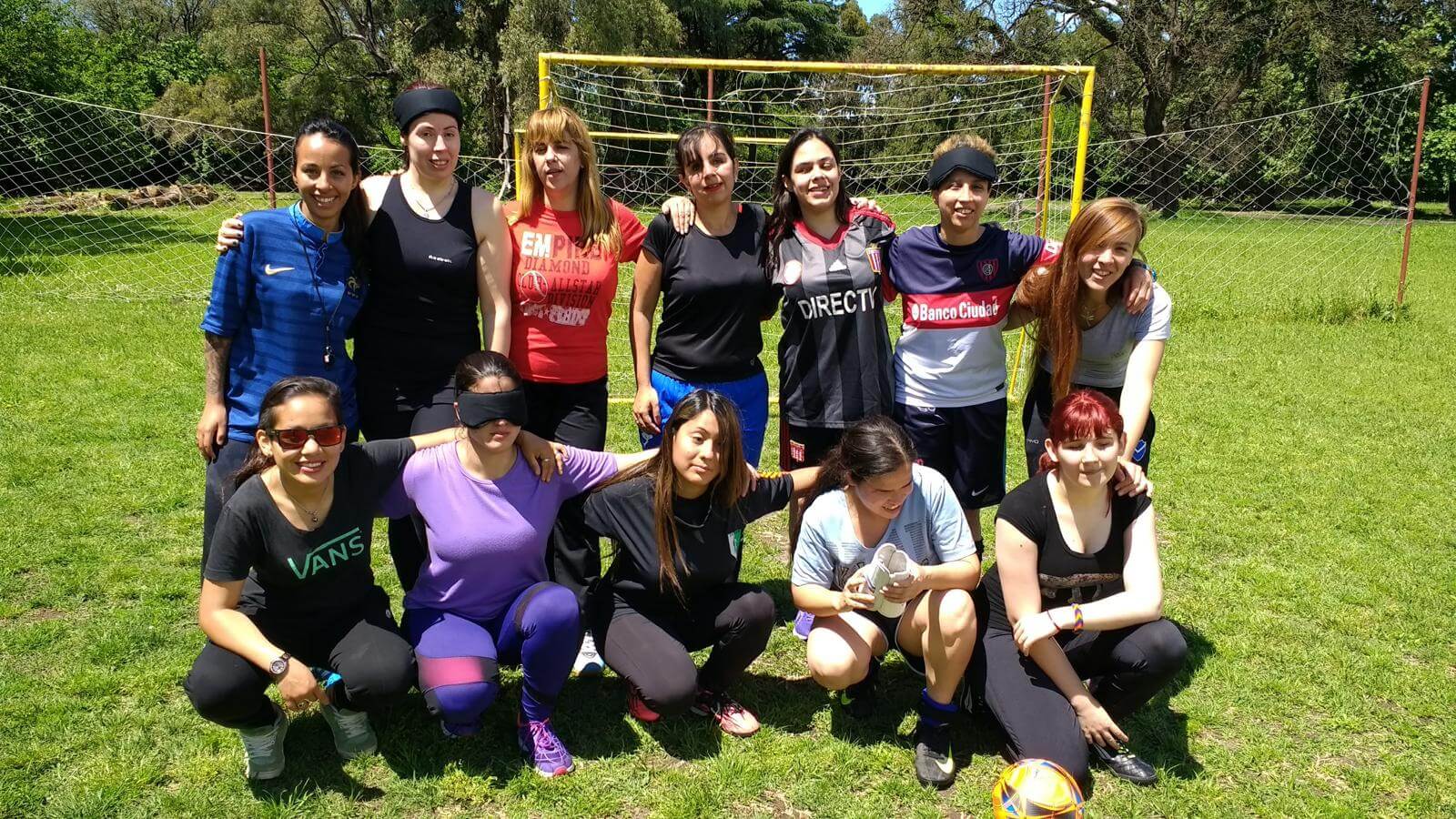
Women's Blind Football
I worked on the development of women’s blind football in Buenos Aires, supporting the creation of athletic spaces for women with visual impairments in a context where no such opportunities existed.
My focus was on using sports as a tool for inclusion, fostering access, training, and community building.
This work was part of a broader movement that gave rise to the women’s national team, now internationally recognized as “Las Murciélagas.”
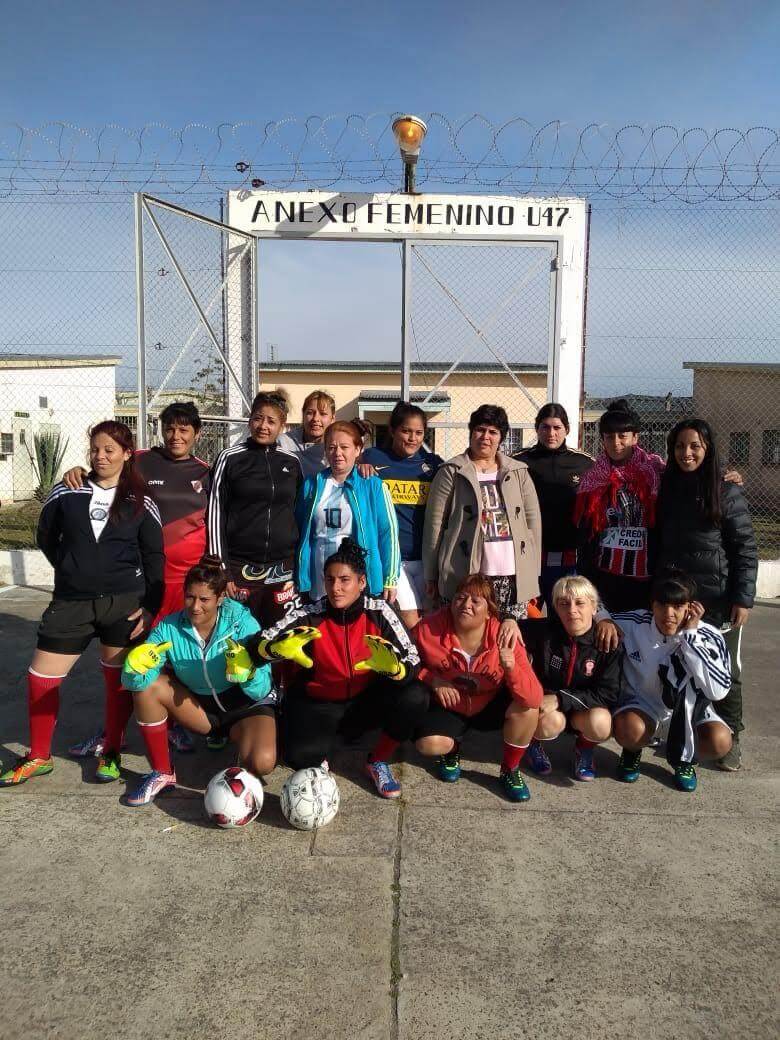
Football in Correctional Facilities (Cárcel – Buenos Aires)
I led a women’s football project within Unit 47 in San Martín, Buenos Aires, working with incarcerated women in one of the most vulnerable contexts of the prison system.
I began as a volunteer in 2018, after being invited to coach a group of women in the “high-conflict” wing who lacked access to any recreational or educational activities. From that initial contact, we started training sessions under minimal conditions, using football as a tool for connection, discipline, and collective growth.
Over time, the project’s impact was profound: the participants improved their coexistence, gained access to new spaces within the facility, and transformed the identity of their wing—moving from one of the most conflict-ridden areas to being recognized as the “athletes’ wing.”
Football did not just provide a place to play; it sparked a structural change in their lives. Many participants began studying, working, and developing fundamental social skills such as respect, teamwork, and responsibility.
This project transcended sports: it proved that athletics can be a real tool for social reintegration, capable of creating opportunities even in the most adverse environments.